
Mulching Services
Weed control, moisture retention & a clean finish for Ridgefield & Wilton landscapes
Why a Good Layer of Mulch Matters
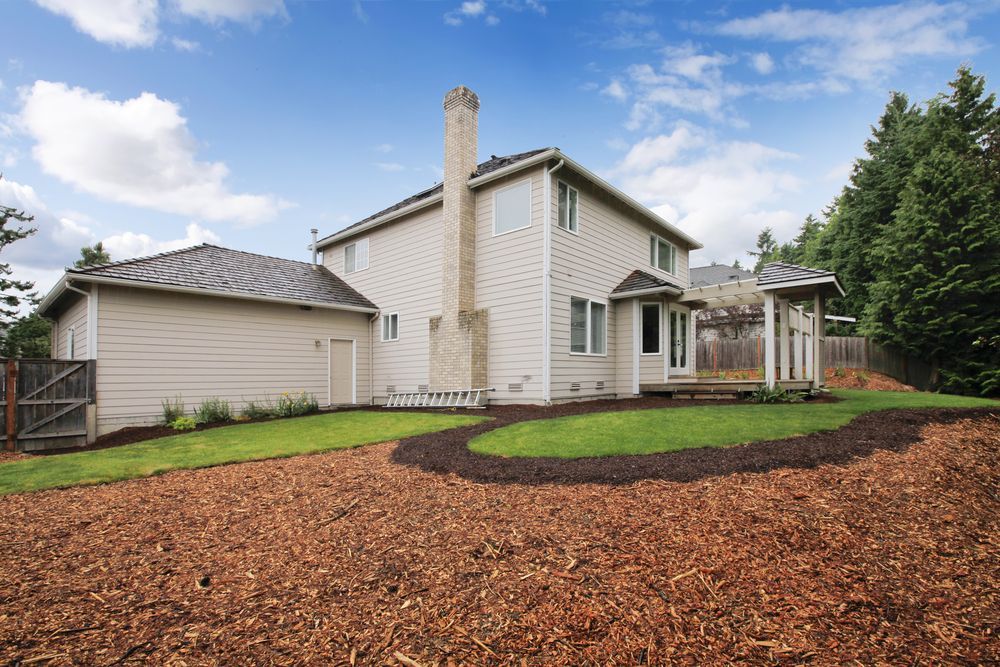
Bare soil dries out quickly, cracks in summer heat and gives weeds an open invitation. A properly spread layer of mulch shields the ground, keeps roots comfortable and gives beds a finished, cared-for appearance. Rob's Lawn handles mulching for Ridgefield and Wilton properties, from small foundation plantings to sprawling garden beds.
How to Pick the Right Mulch for Your Beds
The best choice depends on what you're growing and the look you're after. Organic options like shredded hardwood and bark break down over a season or two, improving the soil as they go. Shredded mulch also knits together and stays put on slopes, while chunkier bark lasts longer but can wash out during heavy rain.
Depth matters as much as type. Two to three inches covers most beds, and pulling mulch back from tree trunks and plant stems helps prevent rot. Rob's crew will recommend a mulch and coverage that suit your property and goals.
What Mulch Does for Your Plants & Soil
Locks In Soil Moisture
Mulch slows evaporation, so plants go longer between waterings during dry spells.
Blocks Weed Growth
Covering the surface keeps sunlight from reaching weed seeds before they sprout.
Steadies Soil Temperature
Roots stay cooler in July and better insulated when winter temperatures drop.
Holds Soil in Place
On slopes and along bed edges, mulch cuts down on runoff and keeps heavy rain from washing soil away.
Feeds the Ground Over Time
Organic mulches break down gradually, returning nutrients to the soil.
When Your Beds Are Ready for New Mulch
A quick look around your garden can tell you a lot. These are common clues the old layer has run its course:
- Bare soil is peeking through in patches
- Weeds keep coming back no matter how often you pull them
- Last year's mulch has turned gray or crumbled into dirt
- Beds dry out within a day or two of watering
Common Questions About Mulching
How often should garden beds be re-mulched?
Most beds benefit from a fresh top layer once a year. Piling new mulch onto a thick old layer can smother roots, so the existing material sometimes needs to be loosened or thinned first.
Is spring or fall better for mulching?
Both have advantages. Spring mulch helps soil retain water heading into summer and stops early weeds, while fall mulch insulates roots before the cold sets in.
Can mulch be placed around trees?
Yes, in a wide, even ring a few inches deep. Mulch piled up against the trunk traps moisture and invites rot and pests, so it should always be kept a few inches away from the bark.
Give Your Garden Beds a Polished Finish
Send a service request with a quick note about your beds, or call or text to set up a visit. Estimates are always free, and you'll hear back within one business day.